
![1727184735162_logo new 01[1]](https://telugufunda.com/wp-content/uploads/2025/04/cropped-1727184735162_logo-new-011-1.png)
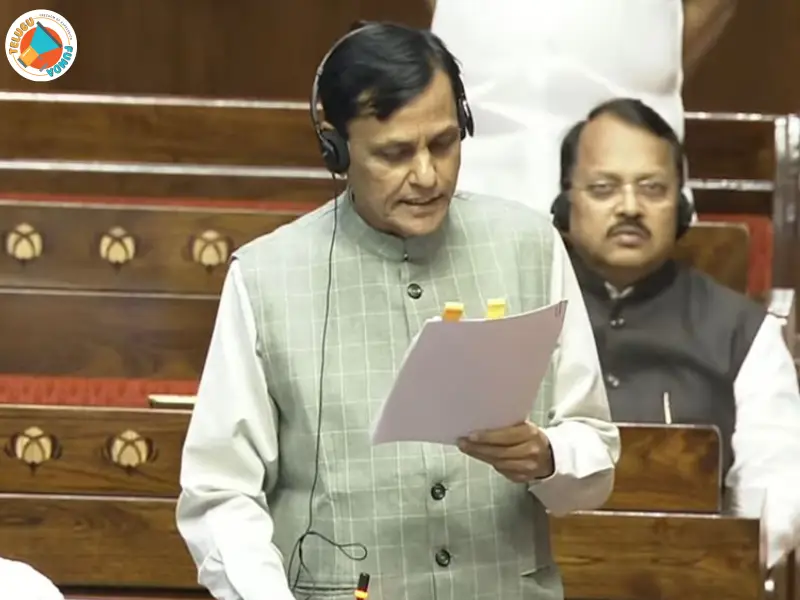
The Central Government has introduced a major amendment bill in the Rajya Sabha that could bring Vande Mataram under the protection of criminal law. Union Minister of State for Home Nityanand Rai presented the Prevention of Insults to National Honour (Amendment) Bill, 2026 during the Monsoon Session of Parliament.
If passed, the legislation will make intentional insults to or obstruction of the singing of Vande Mataram a punishable offence, similar to the legal protections already available for the National Anthem and the National Flag.
What Does the Vande Mataram Bill Propose?
The proposed amendment seeks to expand the Prevention of Insults to National Honour Act, 1971, by including India’s national song within its scope. Under the bill, anyone who deliberately prevents, disrupts, or insults the singing of Vande Mataram could face legal action.
The exact definition of what qualifies as an “insult” or “obstruction” will be clarified in the legislation and is expected to become a key point of discussion during parliamentary debates.
Why Is the Government Bringing This Amendment?
The move comes as India commemorates 150 years of Vande Mataram, one of the most iconic songs of the freedom movement. Written by Bankim Chandra Chattopadhyay and featured in his novel Anandamath, the song has long been regarded as a symbol of India’s struggle for independence.
The Centre has already encouraged the singing of Vande Mataram at official events through earlier guidelines. The new bill aims to provide the national song with statutory legal protection for the first time.
What Does the Existing Law Say?
The Prevention of Insults to National Honour Act, 1971 currently provides legal protection to India’s National Flag, the Constitution, and the National Anthem. It also prescribes penalties for intentionally disrupting or preventing the singing of the National Anthem.
The proposed amendment extends similar legal safeguards to Vande Mataram, making it an officially protected national symbol under the law.
Why Is the Bill Likely to Spark Debate?
The legal status of Vande Mataram has been debated for years, particularly over whether singing the national song can be made compulsory. The proposed law is expected to reignite discussions on individual rights, freedom of expression, and the distinction between deliberate disruption and choosing not to participate.
How the government defines “insult” and “obstruction” will be closely examined by lawmakers and legal experts before the bill is passed.
What Happens Next?
The amendment bill has now been introduced in the Rajya Sabha and must be approved by both Houses of Parliament before receiving the President’s assent.
If enacted, the law will significantly strengthen the legal protection given to Vande Mataram, making any intentional disrespect or obstruction a criminal offence under India’s National Honour framework. The upcoming parliamentary debate is expected to clarify the proposed punishments, definitions, and safeguards before the bill becomes law.
Follow Telugu Funda on trending Social Media Platforms for more Cinema, OTT, Political, And Sports updates.