![1727184735162_logo new 01[1]](https://telugufunda.com/wp-content/uploads/2025/04/cropped-1727184735162_logo-new-011-1.png)
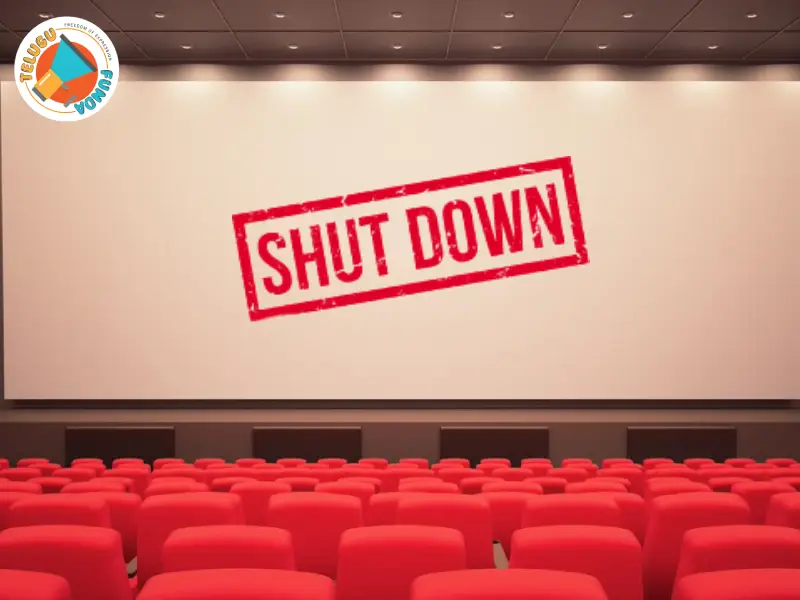
The Telugu film industry faces a major crisis, as cinema exhibitors in Andhra Pradesh and Telangana have declared an indefinite shutdown of theatres starting June 1, 2025. Exhibitors are protesting the current rental-based revenue system and increasing maintenance costs, which they claim are making the business unsustainable.
Why Do Exhibitors Plan to Shut Down Theatres?
Currently, theatre owners (exhibitors) pay a fixed daily rent to screen films, regardless of a movie’s box office performance. Even if a film fails to attract audiences, they still incur heavy costs. With maintenance expenses rising, exhibitors have demanded a revenue-sharing model. They want their income to depend on ticket sales, which would reflect a film’s real success and offer them a fair share of profits.
At a crucial joint meeting at the Telugu Film Chamber, over 60 exhibitors and producers, including Dil Raju and Suresh Babu, vowed to keep theatres shut until the industry adopts a new revenue-sharing system.
What Will Happen If Theatres Remain Closed?
The planned strike will seriously affect the Telugu film industry, especially in June, when several big movies are scheduled to release. Films like Pawan Kalyan’s ‘Hari Hara Veera Mallu’ (June 12), Kamal Haasan’s ‘Thug Life’, Dhanush’s ‘Kubera’, and Manchu Vishnu’s ‘Kannappa’ may miss theatrical releases or see limited screening if the strike continues.
Only multiplexes unaffiliated with the exhibitors’ association may stay open. However, most single-screen theatres, particularly in smaller towns, will remain closed. This situation will significantly cut down screen availability and reduce audience access.
Why Do Exhibitors Worry About OTT Releases?
Besides the revenue-sharing issue, exhibitors have also voiced concern about early OTT releases. They urge producers to delay digital releases, especially for successful films, so theatres can enjoy longer box office runs and recover investments.
Can the Industry Still Avoid the Shutdown?
Although the strike is set to begin on June 1, industry insiders believe there’s still room for negotiation. Exhibitors will soon submit a formal representation to the Film Chamber, explaining their demands and pushing for urgent changes. If producers agree to the proposed model, exhibitors may call off the strike before major releases hit theatres.
At this point, the future of Telugu cinema on the big screen remains in doubt. Fans, filmmakers, and theatre owners all hope for a quick and fair solution that helps everyone in the industry move forward.
Follow Telugu Funda on trending Social Media Platforms for more Cinema, OTT, Political, And Sports updates.


