
![1727184735162_logo new 01[1]](https://telugufunda.com/wp-content/uploads/2025/04/cropped-1727184735162_logo-new-011-1.png)
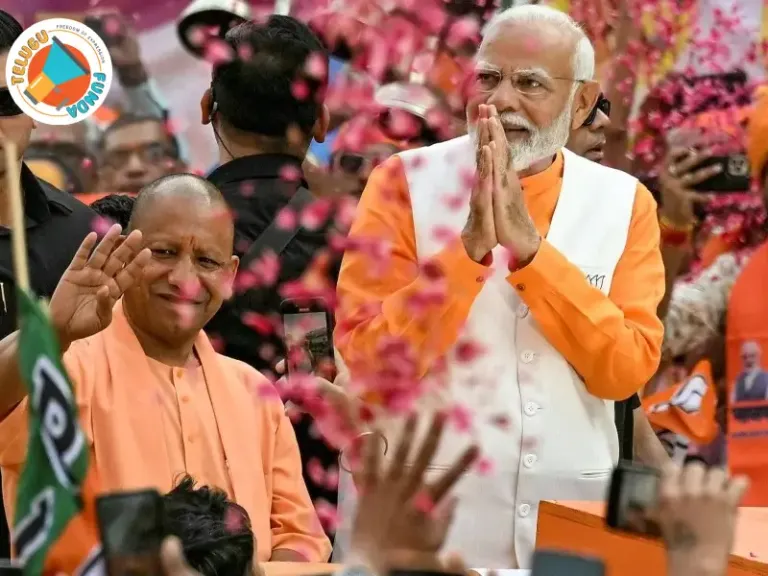
In a strong and clear message, the Bharatiya Janata Party (BJP) has asserted that the recent pause in hostilities between India and Pakistan has happened strictly on India’s terms, not under pressure from the United States or any other foreign power. The BJP stated that the move reflects India’s new global confidence and strategic clarity, setting a clear example of how New Delhi now deals with its neighbours.
India’s Terms, Not US Pressure: BJP’s Strong Stand
The BJP has dismissed all media and political claims suggesting that the United States influenced the recent peace efforts. A senior BJP leader explained that this agreement reflects a new era of Indian diplomacy, one that is bold and unapologetic. According to him, India has made it clear that any act of terrorism will now be treated as an act of war. Only global powers like the US and Israel have followed such firm doctrines before, the leader pointed out. Now, India stands among them with a no-nonsense approach.
Indus Waters Treaty Still Intact, Says BJP
The BJP also addressed the Indus Waters Treaty with Pakistan. They stressed that India still holds significant leverage under the agreement, which remains unaffected despite tensions. Notably, the World Bank, once a key guarantor of the treaty, has stepped back from its role. This, the BJP argues, further strengthens India’s control over the situation.
India’s Past Concessions vs Current Assertiveness
Highlighting history, the BJP drew comparisons with previous ceasefires where India ended up making serious compromises. The party pointed out the 1949 Karachi Agreement, which was influenced by US and UN negotiations, and the Tashkent Declaration in 1965, where India returned hard-won territory under Soviet and US pressure.
Even after the 1971 war, despite a clear victory and Pakistan’s surrender, India signed the Simla Agreement, again influenced by Washington and Moscow. India returned 99,000 prisoners of war without securing long-term benefits such as Pakistan vacating PoK or redrawing the borders officially.
The BJP also reminded that the IPKF mission in Sri Lanka (1987-90) cost India heavily, ending in withdrawal and the tragic assassination of Rajiv Gandhi. Similarly, during the 1999 Kargil War, India agreed to a ceasefire pushed by the Clinton administration, just when a full military victory seemed close.
India’s Peace with Power: New Strategy for a New India
According to BJP leaders, India is no longer the India of old. It is now a rising economic power with a global voice. Pakistan, they said, is a struggling state, and India will not waste its energy dealing with “a delinquent jihadi state.”
The present peace agreement, they emphasized, is not a result of weakness or pressure but a strategic decision aimed at focusing on national development and maintaining leverage over enemies. BJP underlined that this policy shift is about securing India’s long-term interests while rejecting foreign influence over its security matters.
Follow Telugu Funda on trending Social Media Platforms for more Cinema, OTT, Political, And Sports updates.


