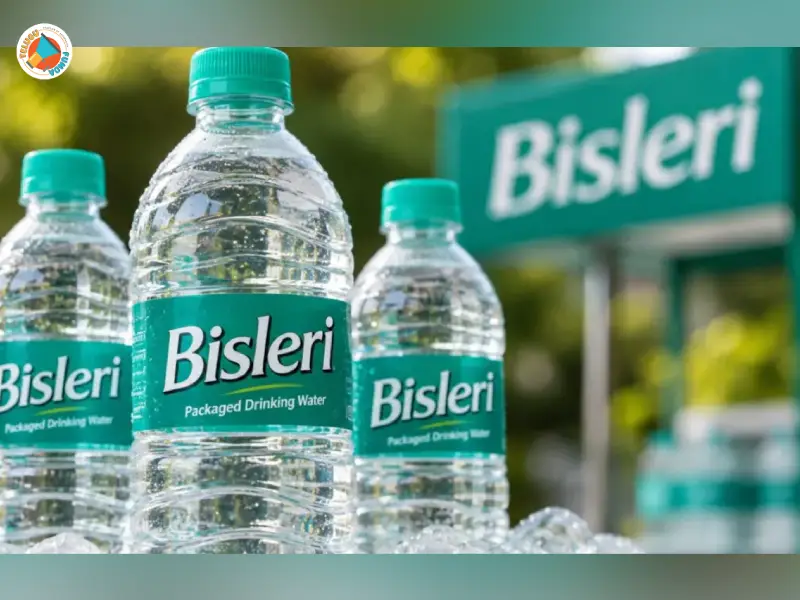
A bottle of packaged drinking water is something millions of Indians purchase without a second thought. Whether travelling by train, waiting at an airport, dining at a restaurant or shopping at a supermarket, Bisleri has long been one of the most recognisable names in the bottled water market. But reported laboratory findings involving a Bisleri water sample have now raised an uncomfortable question: Is the drinking water we trust always safe?
The Food Safety and Standards Authority of India (FSSAI) reportedly initiated action against Bisleri International Pvt Ltd after laboratory testing raised concerns about the quality of its packaged drinking water. The initial test reportedly found bromate beyond the permitted limits. Following the company’s challenge to the findings, further testing was conducted, with the subsequent report also raising concerns over the presence of polynuclear aromatic hydrocarbons (PAHs).
The development has attracted attention because certain chemicals belonging to these groups are associated with serious health risks, including cancer. However, these findings relate to the tested sample and do not establish that all Bisleri bottles or products are contaminated.
Two Chemicals, One Big Concern: What Was Found in the Water?
The reported findings have brought two chemical contaminants into the spotlight. Although they enter water through different processes, both require attention when detected beyond applicable safety standards.
Bromate: This chemical can develop during water disinfection, particularly when ozone reacts with bromide present in the source water. If the treatment process is not properly controlled, bromate levels can exceed acceptable limits.
PAHs: These are chemical compounds commonly associated with industrial pollution and the incomplete burning of organic materials. Certain PAHs are recognised carcinogens, making their presence in drinking water a serious quality concern.
Can Bromate in Drinking Water Really Cause Cancer?
Bromate is not a chemical consumers would expect to find in their everyday drinking water. Its presence becomes particularly concerning when concentrations exceed prescribed limits.
Scientific studies, particularly animal research, have linked prolonged exposure to high levels of bromate with kidney and thyroid tumours. Scientists have also investigated its ability to cause oxidative stress and damage DNA.
High exposure may produce additional health effects, including nausea, vomiting, abdominal pain and kidney damage. However, the risk to humans depends on the level of contamination and the duration and amount of exposure.
PAHs: The Hidden Pollutants That Could Affect Human Health
PAHs, or polycyclic aromatic hydrocarbons, are not a single chemical but an extensive group of compounds found in the environment.
They can originate from vehicle emissions, industrial activities, burning coal and wood, and petroleum-related pollution. These pollutants can potentially reach water sources through environmental contamination.
The biggest concern is that some PAHs, particularly benzo[a]pyrene, are known to cause cancer. Certain compounds in this group can also interact with DNA and potentially contribute to long-term health problems.
This does not mean that every PAH exposure will result in cancer. The potential danger depends on the specific compound, concentration and exposure period.
From the Water Source to the Bottle: Where Can Contamination Happen?
Packaged drinking water undergoes multiple treatment and purification stages before reaching consumers. However, problems at different stages can affect the final product.
Contamination may occur because of polluted groundwater or other source water, improper treatment procedures, environmental pollutants, inadequate packaging standards or unsuitable storage conditions.
Even a well-known brand must maintain strict quality control throughout production. Regular laboratory testing is essential to ensure that the final product meets food safety requirements.
Don’t Just Trust the Brand: 6 Things to Check Before Buying Water
The Bisleri controversy highlights why consumers should pay attention to the condition and details of packaged drinking water.
Here are six important things to check before purchasing a bottle:
FSSAI licence: Check whether the required FSSAI licence details are printed on the packaging.
Expiry or best-before date: Never ignore the date printed on the bottle.
Manufacturing details: Check the manufacturing date and batch number.
Bottle seal: Avoid bottles with damaged, loose or tampered caps.
Packaging condition: Do not purchase bottles that are leaking, damaged or visibly contaminated.
Storage conditions: Avoid bottles kept in direct sunlight or exposed to excessive heat.
Should You Stop Buying Bisleri? Here’s What Consumers Need to Understand
The reported laboratory findings have certainly raised questions about bottled drinking water quality in India. However, it would be incorrect to conclude that all Bisleri bottles are unsafe based on the testing of an individual sample.
The bigger takeaway is the need for stronger quality monitoring, transparent laboratory reports and consistent enforcement of food safety standards.
For consumers, the best approach is to follow official FSSAI advisories, purchase properly sealed products and pay attention to packaging and storage conditions.
A trusted brand name should never replace proper safety checks. After all, drinking water is a basic necessity, and consumers have every right to expect that every bottle meets the required quality standards.
Follow Telugu Funda on trending Social Media Platforms for more Cinema, OTT, Political, And Sports updates.