Political News

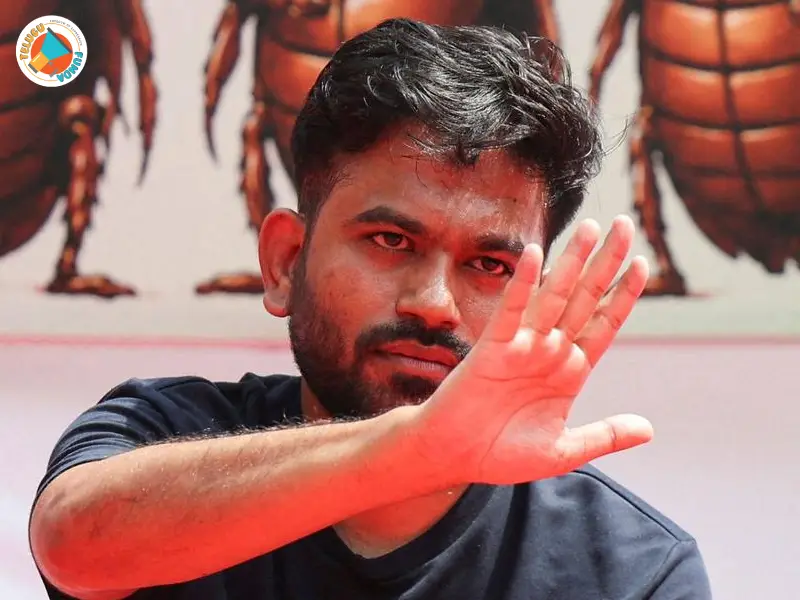
The Cockroach Janta Party (CJP) is back on the streets, and this time its protest has a new target. After its earlier agitation over the NEET and examination-related controversies, the group led by founder Abhijeet Dipke has announced a nationwide protest demanding the resignation of Chief Election Commissioner Gyanesh Kumar.

CJP has announced that the fresh agitation will begin in Mumbai today, with the movement planned to expand to other cities. The group has raised allegations concerning the Election Commission’s handling of electoral rolls and the Special Intensive Revision (SIR) process, and is demanding Kumar’s resignation. These are allegations made by the protesters and are not established findings in themselves.

Speaking ahead of the Mumbai protest, CJP founder Abhijeet Dipke announced that the movement would continue until the Chief Election Commissioner resigns. The group has also indicated plans to take the protest to cities including Goa, Bengaluru and Kolkata before eventually moving towards Delhi.

The Mumbai protest has already triggered a fresh confrontation over permissions. Dipke said Mumbai Police had denied permission for today’s demonstration, while the CJP maintained that it would proceed with its planned agitation. The group has described the protest as a “Jail Bharo Andolan.”

The CJP had earlier gained national attention through its protests demanding the resignation of then Union Education Minister Dharmendra Pradhan over the NEET paper-leak controversy and alleged examination irregularities. The protests at Jantar Mantar drew participation from students and young professionals.

With the movement now taking on the Election Commission, the protest is set to put CJP back in the spotlight. The key focus now will be on the level of public participation and how authorities respond as the agitation moves forward.

Follow Telugu Funda on trending Social Media Platforms for more Cinema, OTT, Political, And Sports updates.

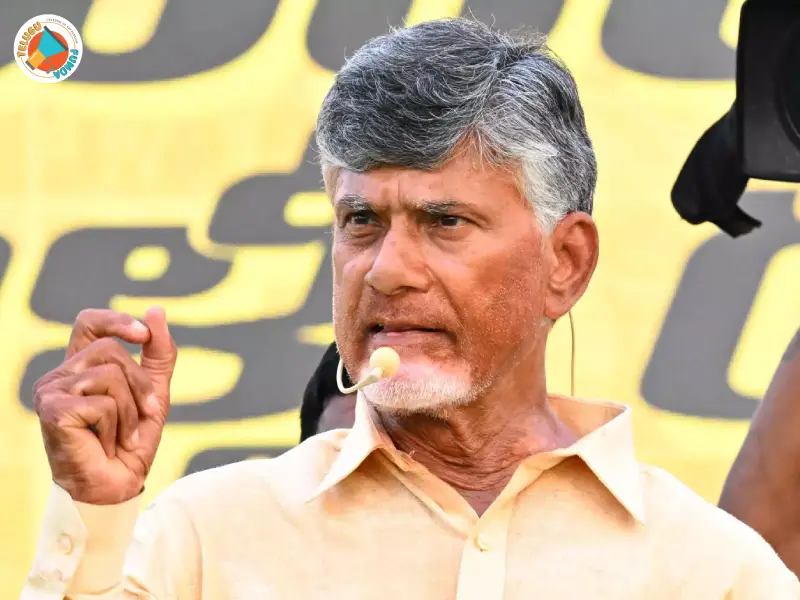
Andhra Pradesh is heading towards an interesting political battle at the grassroots level, with the upcoming local body elections set to test the coordination between the three NDA partners — TDP, Jana Sena and BJP. While the alliance has been stressing unity, the distribution of seats and key local posts is emerging as a major challenge ahead of the polls.

The TDP, Jana Sena and BJP fought the 2024 elections together and are now preparing to carry the alliance formula into the local elections. However, local body polls are different from Assembly and Lok Sabha elections, as candidate selection, personal equations, local influence and grassroots networks can play a significant role. Reports indicate that the three parties are holding discussions on coordination and seat-sharing, but a final arrangement has not yet been announced.

TDP: Organisational Strength vs Alliance Demands

As the largest partner in the ruling coalition, TDP is expected to play a major role in the local elections. Party leadership has already directed cadre to strengthen grassroots networks and work towards the alliance’s success. At the same time, local leaders and aspirants are looking for a larger share of municipal and other important posts.

The challenge for TDP will be balancing its own cadre’s aspirations with the demands of its alliance partners. Reports suggest that competition could become sharper in places where TDP and Jana Sena both have strong local leaders.

Jana Sena: Seeking More Space at the Grassroots

For Jana Sena, the local body elections represent an opportunity to expand its organisational presence beyond the 2024 Assembly and Lok Sabha elections. Party leaders have indicated that the 2024 seat-sharing arrangement should not automatically become the formula for the local polls.

Jana Sena leaders are pushing for greater opportunities for party workers and aspirants, particularly at the municipal and grassroots levels. The party has also begun reviewing its organisational strength across different areas.

BJP: Looking for a Meaningful Share

The BJP is the third partner in the NDA alliance and is also preparing its organisation for the local elections. State BJP leadership has said that teams are assessing the party’s strength in panchayats, MPTCs, ZPTCs, municipalities and corporations.

However, the key question will be how many seats and local leadership positions the BJP receives under the eventual alliance arrangement. The party has stressed coordination among the three partners, while seat-sharing discussions are still underway.

YSRCP: Preparing for a Direct Fight

Meanwhile, the YSRCP is preparing to contest the local elections across the state. Party leadership has directed its cadre to identify candidates and ensure representation across MPTCs, ZPTCs, municipalities and other local bodies.

This sets up a potentially significant grassroots contest, with the ruling alliance attempting to consolidate its organisational strength and the YSRCP seeking to rebuild its presence at the local level.

The Real Challenge: Seat Sharing

The biggest test for the NDA may not necessarily come from outside the alliance. It could emerge from within. TDP, Jana Sena and BJP may have competing aspirants in several local bodies, making seat allocation a sensitive issue.

The alliance leadership has been emphasising coordination and asking cadres to avoid internal differences. With local elections driven heavily by individual candidates and local networks, maintaining unity at the village, mandal and municipal levels could prove crucial to the alliance’s strategy.

Local Elections Could Set the Political Tone

The upcoming elections will therefore be more than a contest for panchayats, municipalities and other local bodies. They will also provide both the NDA partners and YSRCP with an opportunity to assess their grassroots organisational strength.

However, local election results should not automatically be treated as a direct referendum on the state government, as local factors such as candidate popularity, personal equations, development issues and community-level dynamics can significantly influence voting patterns.

Follow Telugu Funda on trending Social Media Platforms for more Cinema, OTT, Political, And Sports updates.
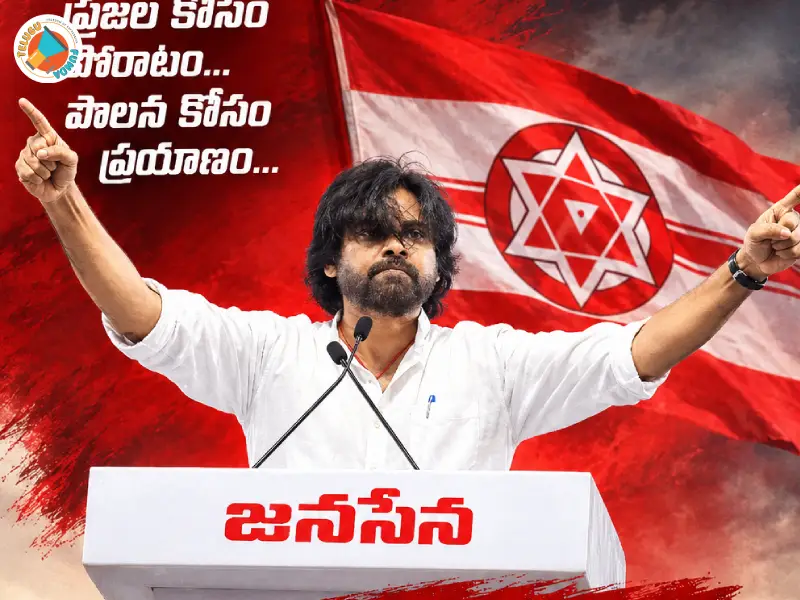
The Andhra Pradesh government’s decision to bring social media influencers and content creators into the promotion of welfare schemes and development programmes marks a new approach to government communication. The state Cabinet approved the Social Media Influencers Policy to help take information about government schemes, development initiatives and public-interest programmes to a wider audience through digital platforms.

Why Is the Government Turning to Influencers?

Social media platforms such as Instagram, YouTube, Facebook and X have become important sources of information, particularly for younger audiences. The new policy aims to make use of creators who already have an established digital audience and can communicate government information in formats that are easy for social-media users to consume.

The government plans to identify and empanel influencers based not only on follower numbers but also on factors such as credibility, content quality, reach and engagement. A dedicated process for applications and empanelment is also being planned.

How Much Can Influencers Earn?

According to reports on the approved policy, influencers will be placed in different categories based on their digital reach. The reported maximum payments are:

10,000–24,999 followers: Up to ₹2,500
25,000–49,999 followers: Up to ₹5,000
50,000–99,999 followers: Up to ₹7,500
1 lakh+ followers: Up to ₹15,000

The selection is not expected to depend solely on follower count, with credibility, content quality and public reach also forming part of the assessment.

The Potential Advantage

The biggest potential benefit is reach. Government departments can work with creators who already have a strong connection with specific audiences and communities.

For welfare schemes, influencers could explain eligibility criteria, application procedures, deadlines and other important information in a more accessible format. The policy could also create opportunities for local content creators and digital professionals to participate in government communication.

But Where Does the Challenge Begin?

The effectiveness of such publicity ultimately depends on what happens on the ground.

If influencers repeatedly highlight the benefits of a welfare scheme while some eligible beneficiaries are still waiting for assistance, the publicity could also bring greater attention to those gaps. People who encounter promotional content but have not received the promised benefits may respond by sharing their own experiences on social media.

This creates a two-way communication environment. The same platforms that can amplify positive information can also quickly amplify complaints and contrasting experiences.

Information or Promotion?

Another important issue is the distinction between creating awareness about government schemes and promoting the government itself.

Influencers generally communicate with their own style and audience perspective, while official government communication requires accuracy and clarity. Any influencer-based campaign therefore needs clear guidelines on what information can be presented, how paid promotions are disclosed and how claims about schemes are verified.

The Bigger Test for the Policy

The success of the influencer policy may depend less on the number of creators involved and more on the quality and transparency of the communication.

If influencers primarily provide verified information about schemes, eligibility, application procedures and public services, they can function as an additional digital communication channel. At the same time, transparent selection, clear disclosure of paid content and accurate information will be important for maintaining public trust.

Ultimately, social media can amplify government communication but it can also amplify public feedback. How effectively the government manages both sides could determine the impact of its new influencer-driven communication strategy.

Follow Telugu Funda on trending Social Media Platforms for more Cinema, OTT, Political, And Sports updates.
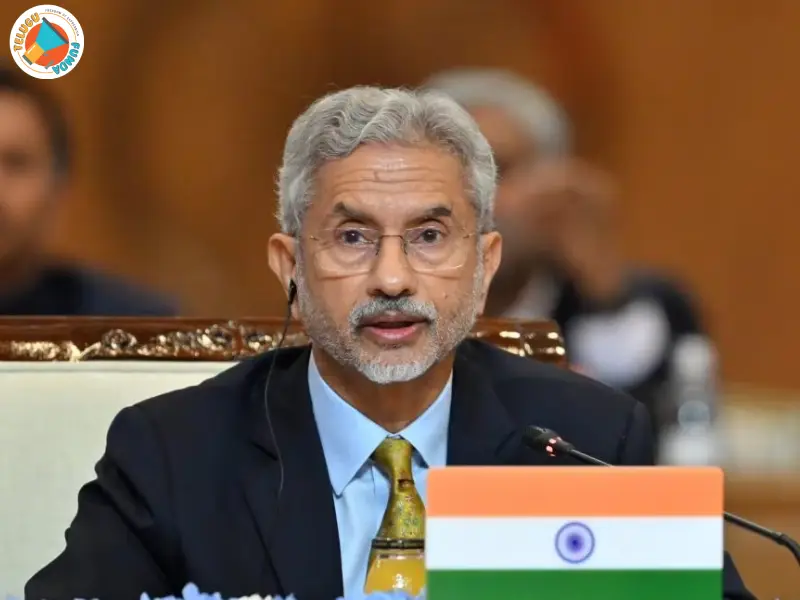
The upcoming local body elections in Andhra Pradesh have triggered intense political activity, with the Janasena Party stepping up its preparations at the grassroots level. Party president and Deputy Chief Minister Pawan Kalyan has been closely monitoring the election strategy, with the party focusing on municipal and Panchayat Raj elections.

Janasena has been strengthening its election machinery through dedicated committees and constituency-level assessments. In August, Pawan Kalyan constituted a 14-member committee to formulate the party’s guidelines and strategy by taking feedback from the cadre and assessing political and social conditions at the field level.

The party has since intensified its preparations further. A separate local body election campaign committee has been formed, with Tourism Minister Kandula Durgesh appointed as its coordinator. The committee will oversee campaign activities, prepare campaign material and coordinate the party’s efforts for municipal and panchayat elections.

Janasena has also constituted a five-member coordination committee to work with the existing election management panel. The new committee is expected to gather ground-level feedback, review reports and help the party leadership fine-tune its strategy as the polls approach.

Pawan Kalyan has indicated that the strategy used in the 2024 Assembly elections, when the party contested 21 seats, was specific to that election. For the local body polls, he has said the party’s approach will depend on the political and social conditions of individual regions.

With the TDP-Janasena-BJP alliance also working on grassroots coordination, seat-sharing and local-level preparations, the coming weeks are expected to be crucial for candidate selection, constituency assessments and campaign planning. However, the final arrangements will depend on the election schedule and alliance-level decisions.

Follow Telugu Funda on trending Social Media Platforms for more Cinema, OTT, Political, And Sports updates.
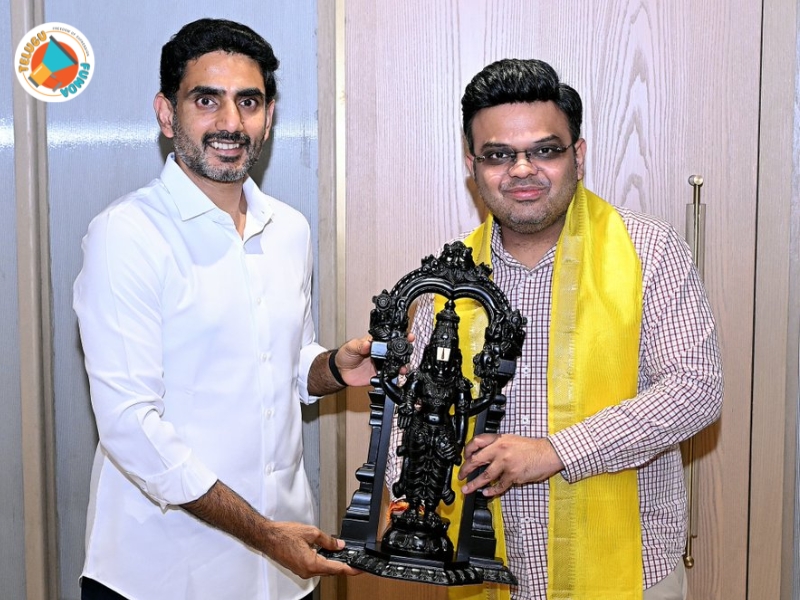
External Affairs Minister S. Jaishankar is once again making headlines for his direct response to a question on terrorism. During a media event at the United Nations headquarters in New York, Jaishankar responded sharply after a Pakistani journalist raised an allegation against India.

Jaishankar was addressing an official press briefing alongside Liberia’s foreign minister on shipping safety when the incident occurred. Towards the end of the event, a Pakistani reporter interrupted from the audience and questioned when the Indian government would stop what he described as sponsoring terrorist activities inside Pakistan.

Jaishankar immediately hit back with a pointed response, saying, “A terrorist country is asking me that question. Come on.” His brief exchange with the journalist quickly drew attention, with clips of the moment circulating widely on social media.

The incident reportedly took place during an event that was not scheduled as a conventional question-and-answer session. The exchange has since become a talking point online, particularly in the context of the long-running diplomatic tensions between India and Pakistan.

Jaishankar is leading India’s delegation during the high-level week of the 81st United Nations General Assembly in New York, where India is engaging with international leaders and representatives on a range of global issues.

Follow Telugu Funda on trending Social Media Platforms for more Cinema, OTT, Political, And Sports updates.
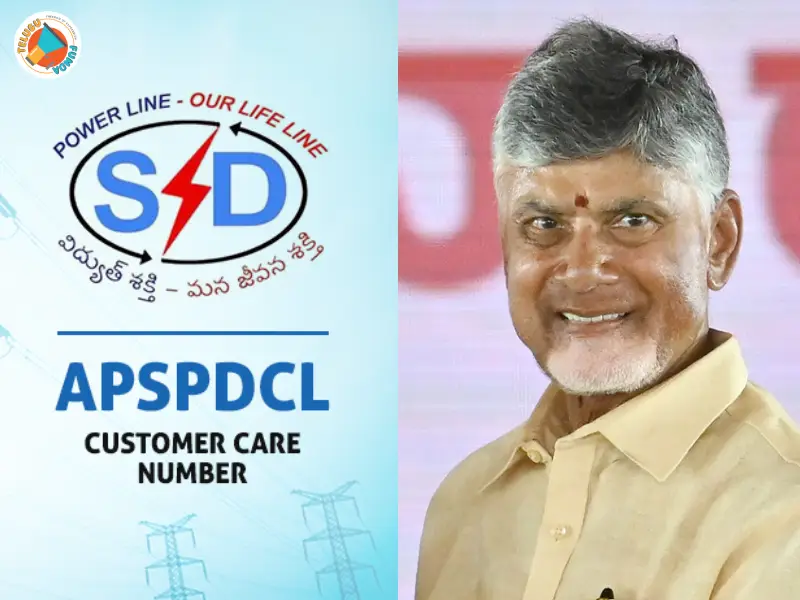
Andhra Pradesh IT Minister Nara Lokesh has been actively pushing plans to attract investments and expand opportunities across the state. Now, his latest meeting with ICC Chairman Jay Shah has brought the focus to a different area sports and cricket development in Andhra Pradesh.

https://x.com/naralokesh/status/2103171109600518405?s=20

Lokesh and Jay Shah reportedly discussed Andhra Pradesh’s ambition to emerge as a major sports hub. The discussions included developing Visakhapatnam as a destination for water sports, hosting domestic and women’s cricket tournaments, and strengthening grassroots sports infrastructure across the state.

A key part of the proposal is to take competitive cricket deeper into all 175 constituencies, while creating more opportunities for young sporting talent, particularly girls. Plans for indoor cricket academies across Andhra Pradesh were also discussed, with the broader aim of building a stronger ecosystem for emerging players.

The meeting also assumes significance amid India’s preparations for upcoming Olympic opportunities and the broader push to develop sports infrastructure. While the immediate outcome of the meeting remains to be seen, Lokesh’s meeting with Jay Shah could be part of a larger strategy to position Andhra Pradesh as a major destination for sports, cricket and sporting talent.

Follow Telugu Funda on trending Social Media Platforms for more Cinema, OTT, Political, And Sports updates.
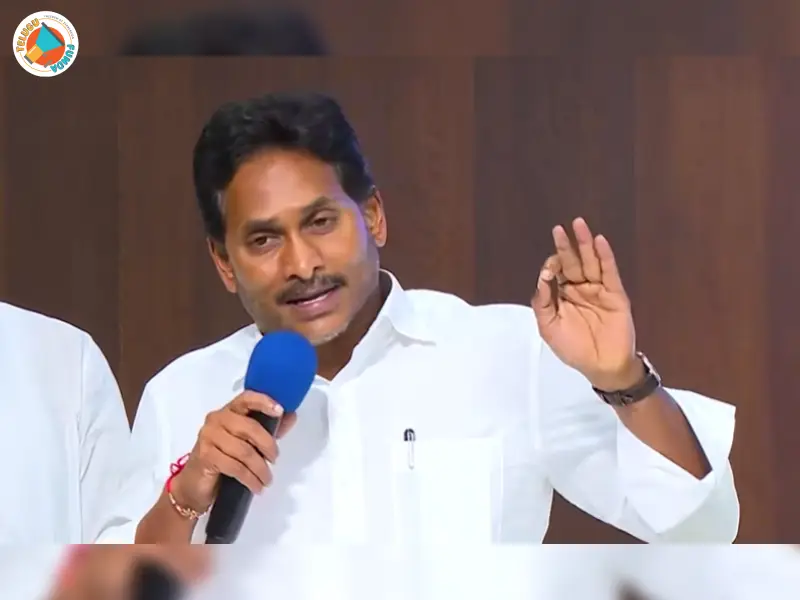
The Andhra Pradesh government is continuing its initiative to provide free electricity to Ganesh pandals across the state during the Vinayaka Chaturthi celebrations. The move is aimed at extending government support to festival organisers and reducing the expenses involved in conducting the celebrations.

Nara Lokesh Announces Free Power for Ganesh Mandapams

Andhra Pradesh Minister Nara Lokesh announced that Ganesh mandapams across the state will continue to receive free electricity during the festive season. The initiative will help organisers manage electricity requirements for lighting, decorations and other arrangements without adding to their financial burden.

Free Power Scheme Was Introduced in 2025

The free electricity provision is not a new decision for 2026. The Chandrababu Naidu-led NDA government had introduced the initiative in August 2025, following a request from Ganesh festival organisers who approached Nara Lokesh seeking support.

After discussing the request with Chief Minister N. Chandrababu Naidu and Energy Minister Gottipati Ravi Kumar, the proposal was approved and free power was extended to Ganesh pandals across Andhra Pradesh.

Support Also Extended to Durga Puja Celebrations

The government had also extended a similar electricity benefit to Durga Puja mandapams during the Dasara festivities. The initiative was intended to support organisers of major religious and cultural celebrations across the state.

Relief for Ganesh Festival Organisers

Ganesh pandals often require significant electricity for decorative lighting, sound systems and other arrangements. By providing free power, the government is helping organisers reduce their overall festival expenses.

With the initiative continuing this year, Ganesh festival organisers across Andhra Pradesh can once again benefit from free electricity during Vinayaka Chaturthi celebrations.

Follow Telugu Funda on trending Social Media Platforms for more Cinema, OTT, Political, And Sports updates.
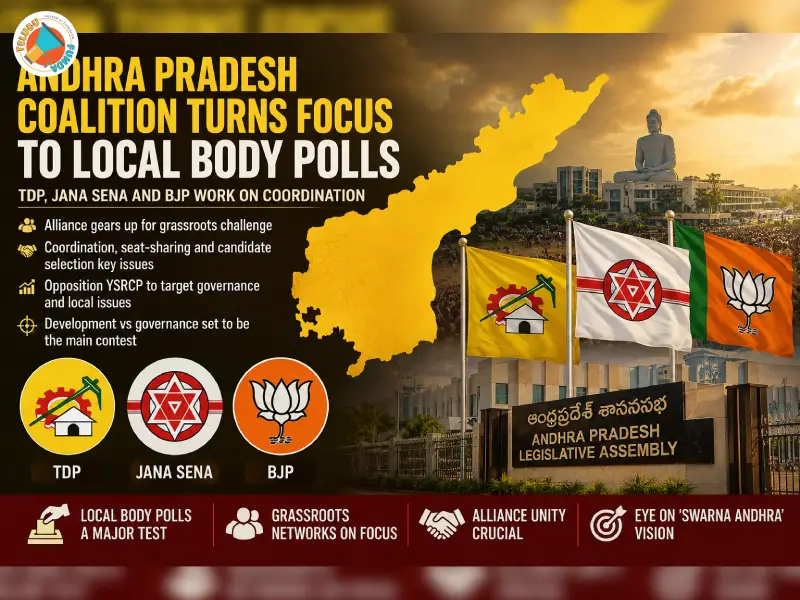
Andhra Pradesh is witnessing a fresh political battle over credit as the first phase of the historic Veligonda Project is set to be inaugurated by Chief Minister N. Chandrababu Naidu on Monday. While the coalition government is presenting the project as a major irrigation milestone, former Chief Minister YS Jagan Mohan Reddy has claimed that the credit for its completion largely belongs to his father, the late YS Rajasekhara Reddy, and his YSR Congress Party government.

Jagan Claims Credit for Veligonda Project

Jagan took to X with a detailed post highlighting the history of the Veligonda project and seeking to attribute much of its progress to successive YSR-led governments.

He pointed out that the project was originally conceived decades ago and alleged that despite the foundation stone being laid during Chandrababu Naidu’s earlier tenure in 1996, significant progress remained limited for several years.

According to Jagan, the Jala Yagnam initiative launched during YS Rajasekhara Reddy’s tenure played a crucial role in developing the project’s core infrastructure, including dams, canals and the twin underground tunnels.

Jagan Highlights Final Tunnel Work

Jagan also claimed credit for his own government, stating that it undertook one of the most challenging remaining components of the project the excavation of the final 10.5 kilometres of the twin tunnels.

He argued that these works were crucial to bringing the long-pending project closer to completion and questioned the coalition government’s claims surrounding the project.

R&R Issue Becomes Another Flashpoint

The former Chief Minister also criticised the Chandrababu Naidu-led government over the Rehabilitation and Resettlement (R&R) process.

Jagan alleged that the government had failed to adequately address the concerns of displaced villagers for more than two years, leaving some families waiting for compensation. He accused the ruling alliance of focusing on publicity while seeking credit for a project developed over multiple governments.

Chandrababu Government Pushes Project Towards Finish Line

The ruling coalition, however, maintains that its government played a critical role in removing the remaining hurdles and taking the Veligonda project towards completion.

In recent months, the government has reportedly invested more than ₹2,400 crore on essential works, including feeder canals, head regulators and canal lining.

The administration has also focused on clearing long-pending R&R packages, with compensation being disbursed to displaced families. The government has positioned these measures as essential steps to enable the reservoir to be filled while addressing the concerns of affected communities.

Veligonda Project Turns Into Political Credit Battle

The Veligonda Project is now more than an irrigation milestone it has become another major political credit battle between the TDP-led coalition and YSRCP.

With Chandrababu Naidu set to inaugurate the first phase, the coalition government is highlighting the expenditure and final-stage works completed under its tenure, while Jagan is stressing the contributions of YS Rajasekhara Reddy and his own administration.

The project is expected to provide drinking water to fluoride-affected villages and support irrigation across thousands of acres in the drought-prone regions of Prakasam, Markapuram, Nellore and Kadapa, making its completion politically and economically significant for Andhra Pradesh.

Follow Telugu Funda on trending Social Media Platforms for more Cinema, OTT, Political, And Sports updates.
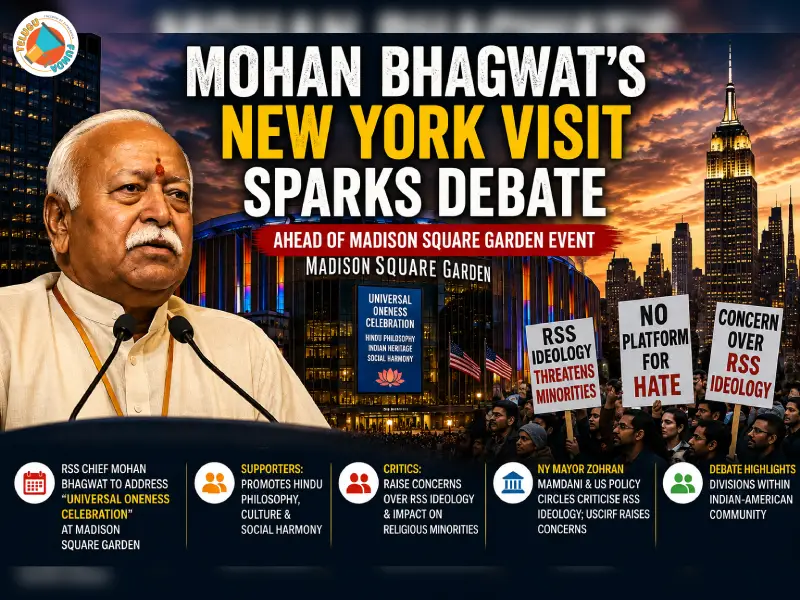
Amaravati: The ruling alliance in Andhra Pradesh, comprising the Telugu Desam Party (TDP), Jana Sena Party and Bharatiya Janata Party (BJP), is shifting its political focus towards the upcoming local body elections, with coordination among the three partners emerging as a key priority.

The alliance, which came to power in the 2024 Assembly elections with the TDP as the principal partner, is now looking to extend its electoral understanding to the grassroots level. The local body polls are expected to test not only the alliance’s popularity but also its organisational coordination across villages, mandals, municipalities and urban local bodies.

For the coalition partners, the elections will be important in strengthening their grassroots networks and establishing local leadership ahead of future political contests. However, managing differences among party cadres and local leaders could prove to be a major challenge.

BJP leader P V N Madhav recently acknowledged that there was some dissatisfaction among cadres of the TDP, Jana Sena and BJP. He stressed the need to address such concerns and improve coordination before the local elections.

The issue is significant because political competition at the local level can be more complicated than in Assembly elections. While the three parties may remain alliance partners at the state level, their local leaders could have competing political ambitions and support bases.

Candidate selection and seat-sharing are therefore expected to become crucial issues. The alliance may have to work out arrangements at the village, mandal and municipal levels to avoid direct contests between leaders belonging to different coalition partners.

The TDP remains the largest partner with a broad organisational presence across the state. Jana Sena has its own support base under the leadership of Deputy Chief Minister Pawan Kalyan, while the BJP brings its national political presence and organisational network to the alliance.

The local elections could consequently become an important opportunity for each party to assess its independent organisational strength while maintaining the broader coalition arrangement.

The YSR Congress Party (YSRCP), meanwhile, is expected to closely monitor developments within the ruling alliance and target the government over governance and local issues. Former Chief Minister YS Jagan Mohan Reddy has continued to raise concerns over issues including recruitment, drought relief and welfare implementation.

Recruitment controversies, including allegations surrounding DSC and Group I processes, could also feature in the Opposition’s campaign. Jagan has sought a CBI investigation into the alleged irregularities, while the government and its leaders have rejected the Opposition’s allegations.

At the same time, the TDP-led government is likely to highlight its development agenda. Amaravati remains a major focus, with the government pushing infrastructure projects and investment initiatives as part of its broader plans for Andhra Pradesh.

The coalition is also seeking to promote its long-term development vision under the broader ‘Swarna Andhra’ agenda. The local elections could therefore develop into a contest between the government’s development narrative and the Opposition’s criticism of governance.

Maintaining unity within the alliance will be particularly important as the political contest moves from the statewide level to smaller constituencies. Local rivalries, leadership ambitions and differences over candidate selection could put pressure on the partnership.

For the ruling parties, a coordinated performance in the local body elections could strengthen the alliance’s grassroots presence and reinforce the mandate secured in the 2024 Assembly elections. Any visible differences, however, could provide the Opposition with an opportunity to challenge the coalition.

As preparations gather pace, discussions among TDP, Jana Sena and BJP leaders are likely to centre on seat adjustments, candidate selection, cadre coordination and campaign strategy.

The upcoming local body elections are thus set to become an important test of not only the ruling alliance’s electoral strength but also its ability to maintain political unity at the grassroots level.

Follow Telugu Funda on trending Social Media Platforms for more Cinema, OTT, Political, And Sports updates.
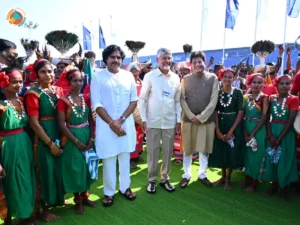
New York: Rashtriya Swayamsevak Sangh (RSS) chief Mohan Bhagwat’s planned appearance at Madison Square Garden has sparked a debate among sections of the Indian-American community, civil society groups and interfaith organisations.

Bhagwat is scheduled to address the “Universal Oneness Celebration”, organised by American Hindus for Engagement and Dialogue. Organisers are expecting a large turnout for the programme, which they have presented as an event centred on Hindu philosophy, Indian cultural heritage and social harmony.

However, Bhagwat’s planned appearance has drawn criticism because of the RSS’s ideological and political significance in India. The organisation is widely seen as an influential force within the country’s broader Hindu nationalist movement and has maintained close ideological links with the Bharatiya Janata Party (BJP).

Supporters of the event say Bhagwat’s visit represents an opportunity to highlight India’s cultural traditions and promote the message of social unity among the diaspora. They argue that the RSS and its leadership should have the space to engage with Indian-American audiences, particularly given the organisation’s prominence in contemporary Indian society.

Opponents, meanwhile, have questioned the RSS’s ideological positions and raised concerns about its influence on religious minorities in India. The criticism has extended to sections of civil society and interfaith groups in New York.

New York Mayor Zohran Mamdani has also publicly criticised the RSS’s ideology, adding another dimension to the controversy. The issue has further attracted attention within US policy circles, with the US Commission on International Religious Freedom reportedly raising concerns over Bhagwat’s visit and making suggestions involving his visa and possible measures against RSS members.

The RSS and supporters of the programme have rejected allegations that the organisation is anti-minority. They maintain that its work is centred on cultural identity, social service, national unity and strengthening society.

The dispute has consequently developed into a wider discussion about the role of Indian political, cultural and religious organisations within the United States. The Indian-American community is one of the country’s most prominent South Asian diaspora groups, and organisations representing a wide range of political and ideological viewpoints regularly organise public events.

Bhagwat’s proposed appearance has brought divisions within the diaspora into sharper focus, particularly over the interpretation of Hindu identity and the political role of organisations associated with it.

Supporters contend that the RSS reflects an important segment of Indian society and that its leaders should be able to engage with diaspora communities. Critics, on the other hand, argue that prominent US platforms should not be used to legitimise an ideology they associate with religious majoritarianism.

The controversy also reflects broader debates in the United States over political expression, religious identity, civil rights and the growing influence of diaspora organisations.

Bhagwat’s position as RSS chief has added to the significance of the event. His public appearances are closely watched both in India and overseas, and the Madison Square Garden programme is being viewed as an important moment for supporters as well as critics.

For organisers, the event is an opportunity to promote Hindu traditions and the principle of universal oneness. For opponents, it provides a platform to question the ideology and social influence associated with the RSS.

As the programme approaches, attention is likely to remain focused on attendance, Bhagwat’s remarks and the response from different sections of the Indian-American community. The controversy highlights how India’s domestic political and ideological debates increasingly extend beyond its borders, particularly through politically diverse and highly engaged diaspora communities.

Follow Telugu Funda on trending Social Media Platforms for more Cinema, OTT, Political, And Sports updates.
Recent Posts

Categories